Events & Proceedings Archive
Research Gatherings & Sprints
Proceedings, workshops, and innovation sprints organized by Kumbh Labs, Project NANDA, and community partners exploring open AI architectures for large public gatherings.

Kumbhathon Innovation S.P.R.I.N.T. 2026 × Project NANDA, September 5–7, 2026 | Nashik
Kumbhathon Innovation S.P.R.I.N.T. 2026 brought together innovators, student researchers, designers, and AI technologists to explore practical solutions for challenges emerging at Kumbh scale — spanning mobility, health, public information, and citizen services.
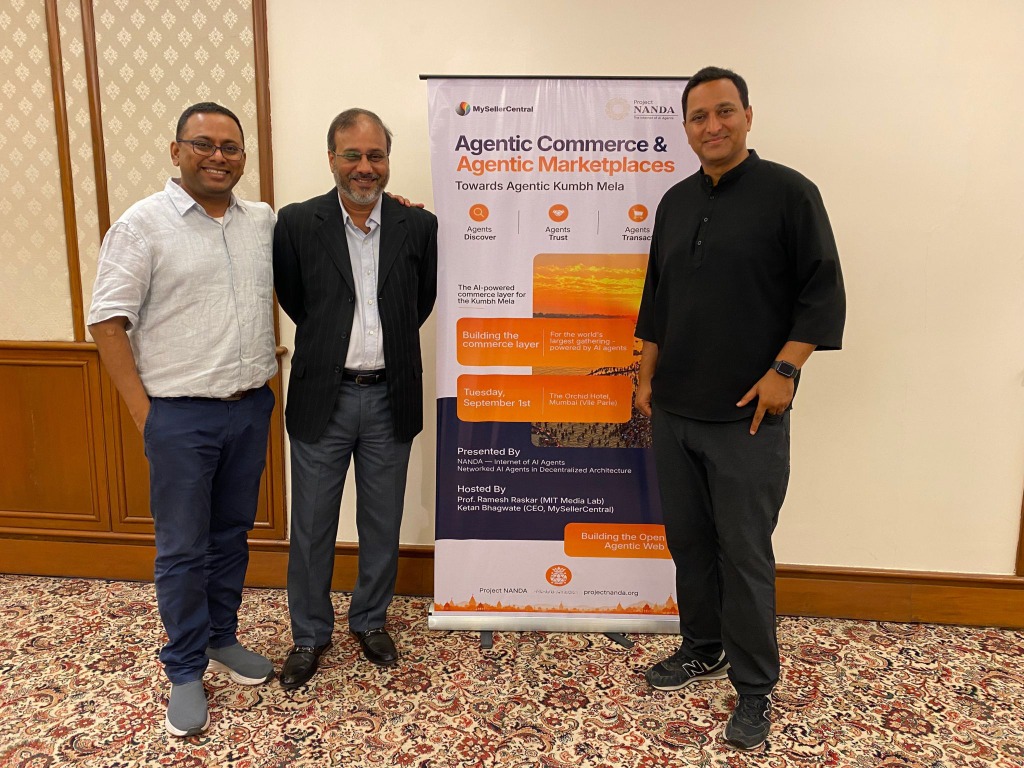
Agentic Commerce Research Salon: Open Protocols for Local Vendors
A dedicated research session with Project NANDA focusing on decentralized marketplace architectures — exploring how autonomous merchant agents, consumer agents, and open catalogs can empower local businesses without platform lock-in.
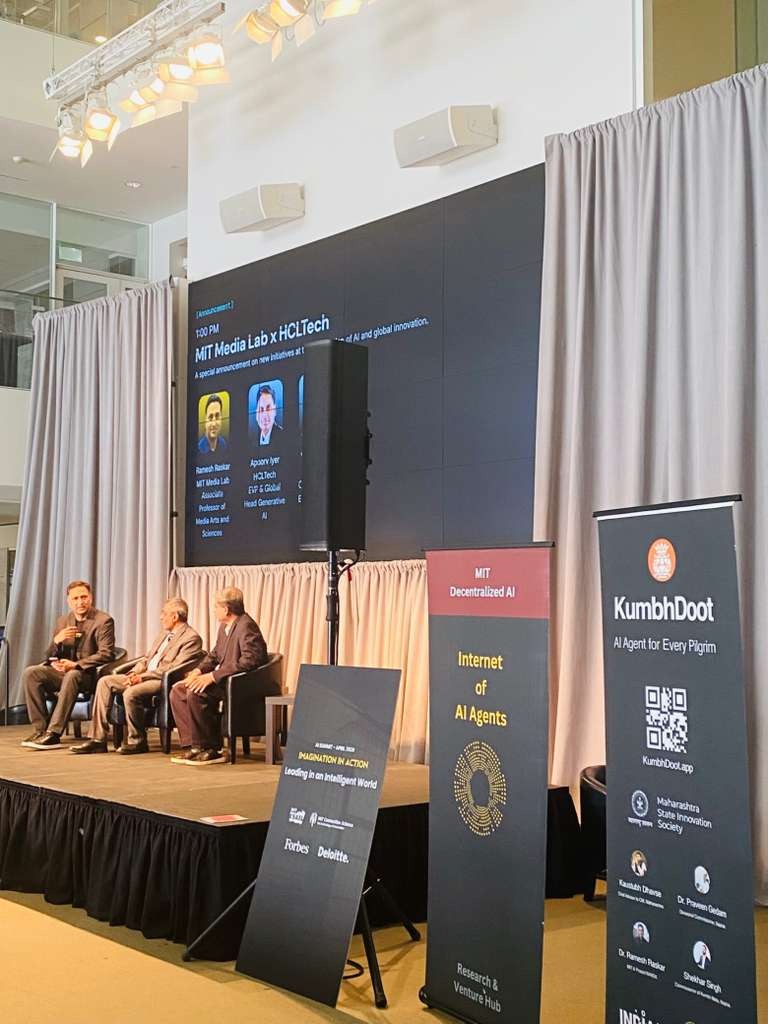
NANDA Global Summit: Decentralized Agents & Open Web
A global academic summit demonstrating open decentralized AI frameworks, localized inference, and multi-agent coordination models to international researchers and technology pioneers.
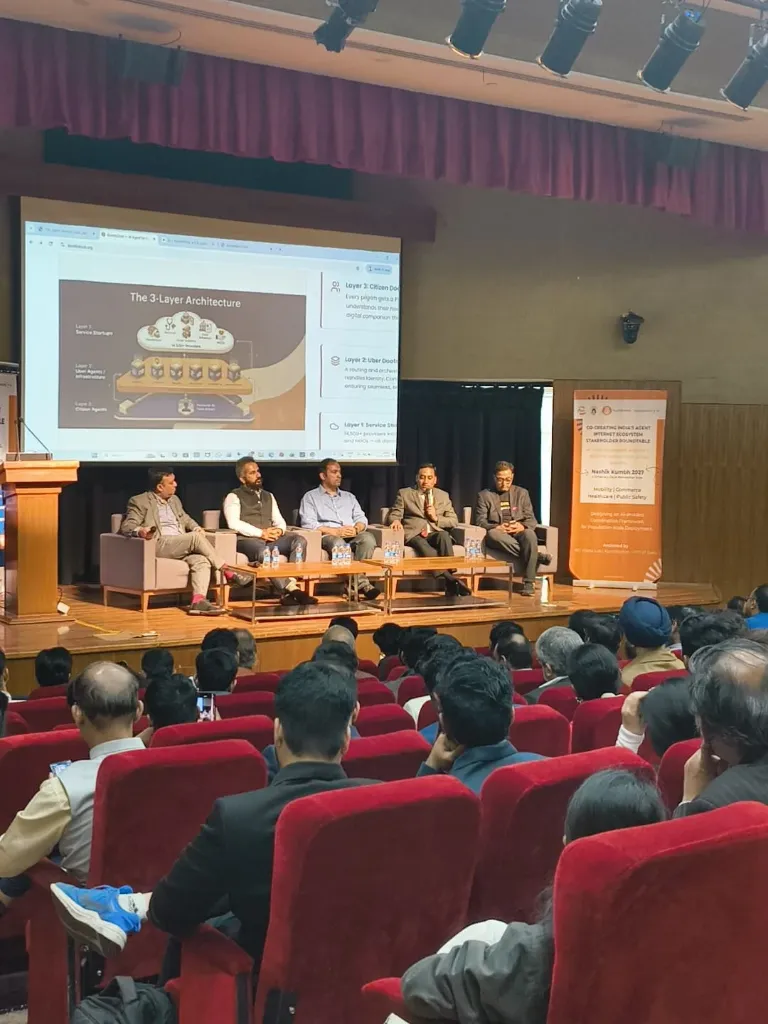
AI + Kumbh Mela: Academic & Innovation Roundtable at IIT Delhi
A technical roundtable hosted at IIT Delhi with FITT, engaging engineering researchers, technology architects, and students eager to study crowd coordination, sensor telemetry, and offline-resilient AI models for Kumbh Mela 2027.
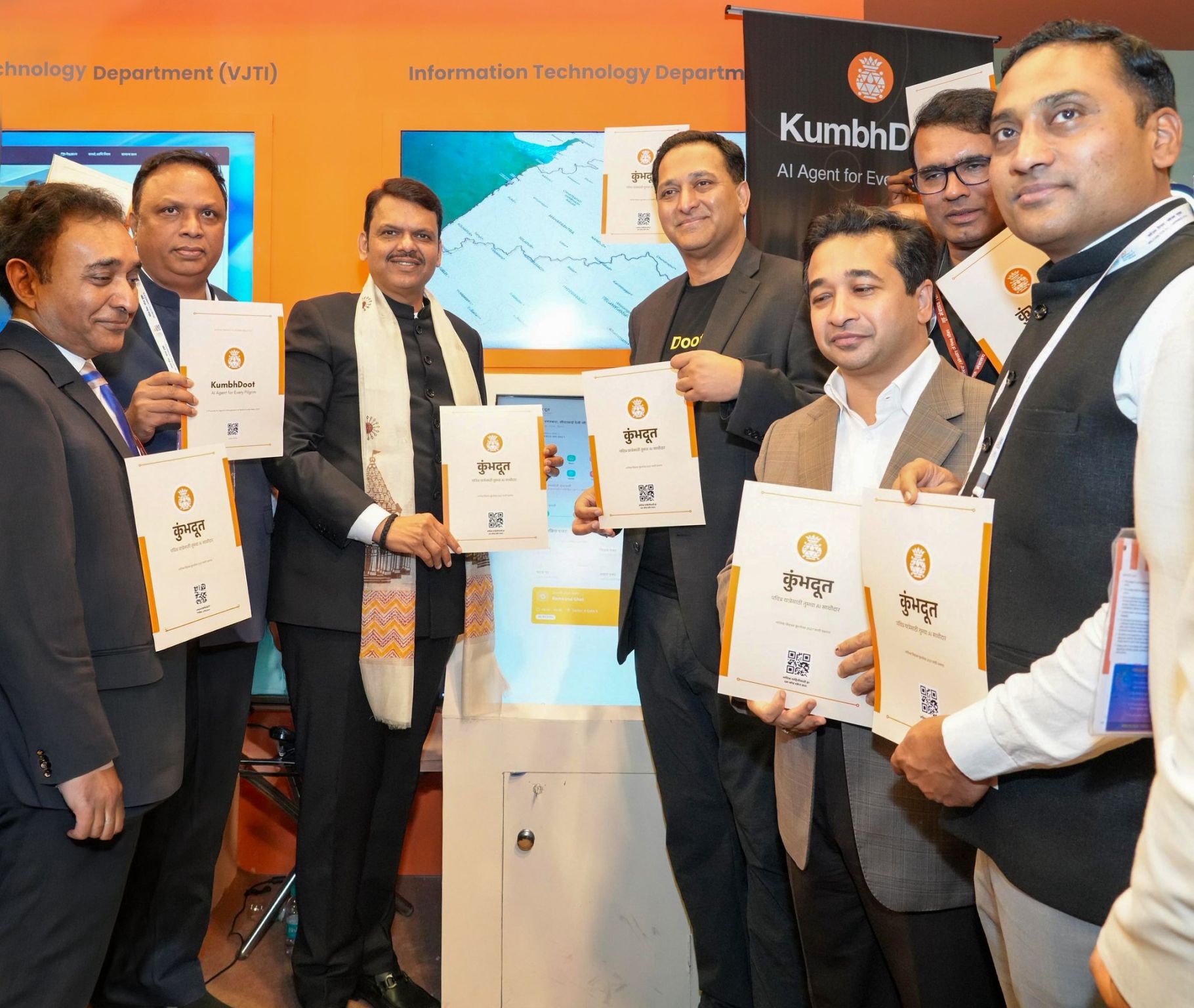
Presentation of KumbhDoot Research Prototype at IndiaAI Summit
Presentation of the KumbhDoot multilingual AI prototype at the IndiaAI Summit at Bharat Mandapam, New Delhi, sharing open research on edge intelligence and decentralized agent interoperability.

Decentralized AI & Population-Scale Systems Roundtable at Davos
A research roundtable held during World Economic Forum week discussing open-source standards, decentralized AI architectures, and crowd coordination for high-density public gatherings.
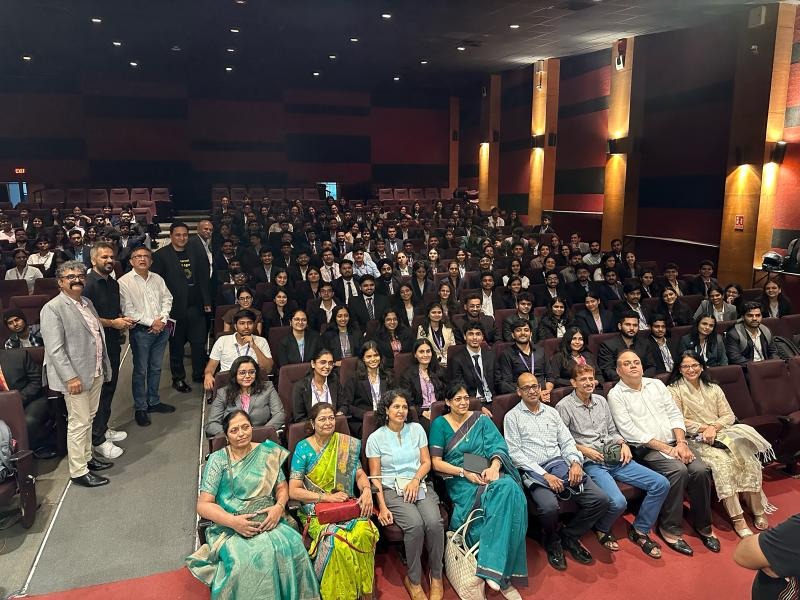
Project NANDA Mumbai Chapter: Multi-Agent Research Roadmap
Inaugural Mumbai Chapter academic gathering exploring decentralized multi-agent architectures, privacy-preserving context caches, and open public digital infrastructure.